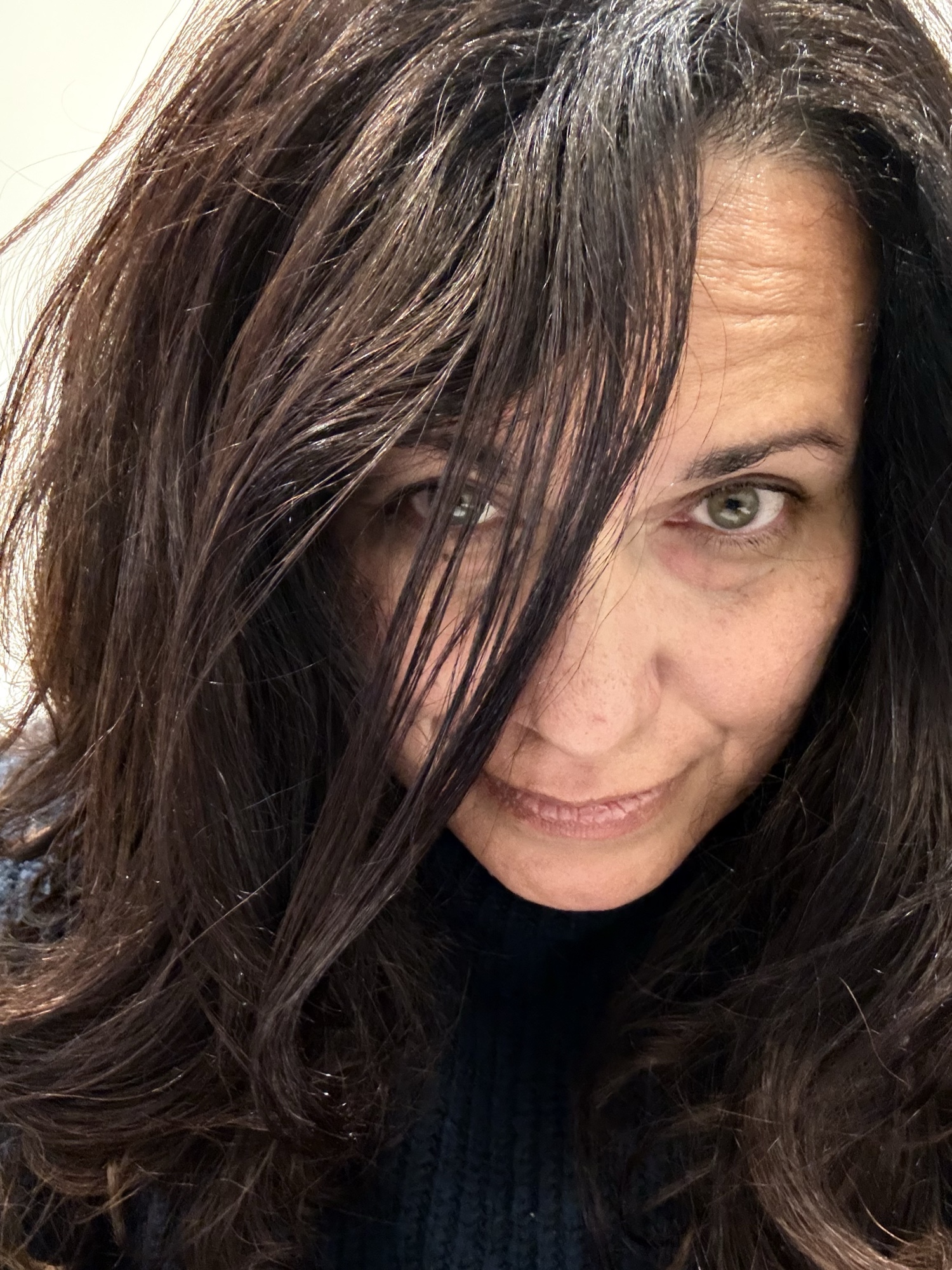
By: Sally Vazquez Castellanos
Published: August 12, 2026.
What happens when a licensed attorney in the United States, conducting research and offering commentary on national security law, becomes a target not for wrongdoing—but for lawful expression?
In recent years, the line between surveillance for public safety and surveillance that chills speech has blurred. I raise this not as an abstract academic concern, but as a legal and personal question. It’s one thing to speak about whistleblowers like Edward Snowden in theory. It’s another to find that speaking aloud—even with nuance, even without endorsement—can trigger consequences far beyond debate.
Imagine a scenario: a California attorney posts a brief, non-inflammatory comment about Snowden on LinkedIn—perhaps drawing parallels to legal cases, or noting the importance of judicial review in surveillance matters. Shortly thereafter, accounts become inaccessible. Cloud-based tools crash. Security companies begin to question why this person is researching constitutional law. Without warning, a quiet form of digital coercion begins. Services freeze. Profiles vanish. Patterns of surveillance appear. And yet, no crime has occurred.
What is this, if not a constitutional concern?
❖ First Amendment and the Right to Speak Without Retaliation
The U.S. Constitution guarantees that individuals may speak freely on matters of public concern—especially when it comes to government conduct. This includes commentary on national security, whistleblower cases, and digital surveillance policy. Unless that speech incites violence or poses a true threat (Brandenburg v. Ohio, 395 U.S. 444 (1969)), it is protected. Attorneys, academics, and journalists alike are free to explore and comment—publicly or privately—on these issues.
To retaliate against that speech by suppressing access, initiating covert surveillance, or chilling public engagement is not just improper—it is unconstitutional.
❖ Due Process: The Right to Notice and a Fair Hearing
Even in national security contexts, the government must provide notice and opportunity to be heard before depriving someone of rights or access to property. That’s the holding of Hamdi v. Rumsfeld, 542 U.S. 507 (2004): even a citizen labeled a security concern must receive a meaningful opportunity to contest that designation.
And in Boumediene v. Bush, 553 U.S. 723 (2008), the Supreme Court made clear: the government cannot insulate its actions from judicial review by declaring a matter “exceptional.” These principles are foundational. If the government—or actors acting with its knowledge—initiates surveillance, interferes with services, or pressures institutions to disengage from individuals without cause, the Constitution demands accountability.
❖ When Authority Is Abused: CFAA and Color of Law
Should a government agent, tech contractor, or agency employee exceed authorized access—for example, by misusing a security clearance to monitor someone’s online activity—several legal protections apply:
- 18 U.S.C. § 242 prohibits deprivation of rights under color of law.
- The Computer Fraud and Abuse Act (CFAA) prohibits unauthorized access to computers and systems.
- The Stored Communications Act protects emails, cloud data, and private messages.
As we’ve seen in Van Buren v. United States, 593 U.S. ___ (2021), the CFAA does not criminalize mere misuse of information if the access itself was authorized. But that does not mean misuse is harmless. Especially when the information is weaponized for retaliation.
❖ The Chilling Effect on Lawyers, Researchers, and Journalists
Speaking publicly about surveillance—whether Snowden, PRISM, or post-9/11 expansion of intelligence powers—should not require fear. Yet many professionals report that simply researching these issues can draw scrutiny. Data privacy scholars. Legal bloggers. Technologists developing civic tools. All face the same silent question: who is watching?
This is why courts and policymakers must create clearer safe harbors for public-interest inquiry. Legal speech, lawful research, and digital commentary should not be mistaken for subversion. The alternative is a chilling effect that erodes democratic oversight.
❖ Conclusion
Lawyers, journalists, and researchers are not immune to surveillance—but they should be protected from its misuse. Speech about national security, surveillance powers, and legal rights is not dangerous; it is foundational. Without it, we lose the very checks that the First and Fifth Amendments were designed to protect.
© 2026 Sally Castellanos. All Rights Reserved.
This post contains original legal commentary and is not legal advice. For inquiries, please contact Sally Castellanos through her professional office in Pasadena, California.

Author Bio:
Sally Castellanos is a California attorney with experience in privacy, family law, and technology’s impact on civil rights. Through her blog, Perspectives, she writes about law, digital surveillance, and the importance of constitutional safeguards in the modern age.