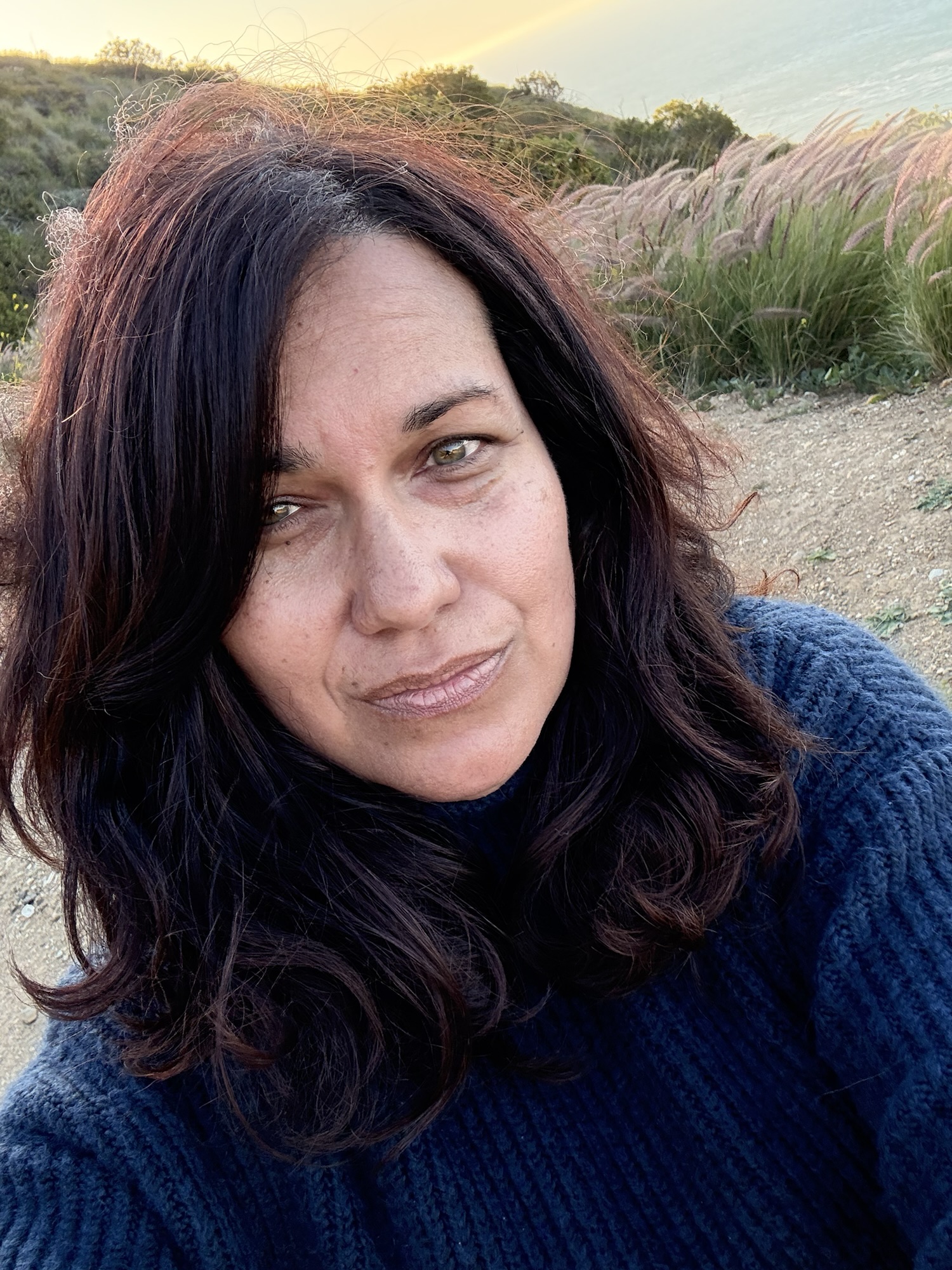
By Sally Vazquez Castellanos
When you know your being hosed. This is about protecting me and my thought process.
In an era defined by artificial intelligence, synthetic media, and real-time digital mirroring, ownership of one’s work—and of one’s very image—has never mattered more. Every article on this site, every analysis, and every concept originates from my own lived experience, my training as an attorney, and my intellectual labor. Nothing here is outsourced. Nothing here is borrowed. And nothing here is authored by anyone but me.
What worries me most today is not merely the rise of deepfakes or the misuse of AI systems. Rather, it is how easily powerful actors—whether institutional, governmental, corporate, or celebrity—can appropriate the tone, narrative, or analytical framing of independent thinkers and use those echoes to distort intent, delegitimize experience, or muddy authorship. Digital replication is no longer a technical novelty; it is a method of erasing identity, diluting truth, and manipulating public perception.
Whether these distortions arise from algorithmic mimicry, internal “jokes,” or strategic messaging games embedded within technologies people rely on, the effect is the same: it is a modern form of railroading. A framework designed to confuse the origin of ideas, undermine credibility, and treat a human being’s voice as if it were simply another reproducible asset in someone else’s narrative machine.
This article returns to a basic truth that globalization once promised to protect: the irreplaceable value of human individuality. Digital systems may reproduce patterns, rewrite language, or mirror the cadence of a writer, but they cannot substitute lived experience. They cannot substitute consciousness. And they cannot substitute the mind that produces original work.
As the world confronts the legal, ethical, and psychological toll of digital replicas, this piece asks a simple question: Who owns the human image—and who has the right to distort it?
The answer matters not only for actors, consumers, or technologists, but for anyone whose identity, creativity, or intelligence can be imitated without consent. It matters for every person who has ever been reduced to a likeness—whether in a courtroom, in a newsroom, or in the quiet privacy of a home where technology becomes a tool for coercion rather than connection.
This is my work. My analysis. My voice. And in an age where replication threatens to erase the original, asserting authorship becomes an act of both dignity and defense.